How to Keep a Tidy Fridge and Pantry: Easy Tips for Organized Storage
Keeping a tidy fridge and pantry may seem like a small task, but it makes a big difference in your daily routine. A clean and organized food storage area helps you find items quickly, reduces food waste, and keeps your kitchen healthier. Whether you have a big family or live alone, these practical tips will help you maintain order and enjoy a clutter-free kitchen.
Why Keeping Your Fridge and Pantry Tidy Matters
Before diving into the how, it’s important to understand why organization matters:
– Food Safety: Regular cleaning prevents mold, bacteria, and unpleasant odors.
– Saves Money: You won’t buy duplicate items or let food spoil unnoticed.
– Easier Meal Prep: When you know where everything is, cooking goes faster and feels less stressful.
– Better Inventory Tracking: It’s easier to keep track of what you have and what you need.
With these benefits in mind, let’s explore some effective ways to keep your fridge and pantry neat and organized.
How to Organize Your Fridge
1. Start with a Clean Slate
Before organizing, take everything out of your fridge. Toss expired or spoiled items. Wipe down shelves and drawers with a mild cleaner or a mix of water and baking soda to remove stains and odors.
2. Group Similar Items Together
Keep like items in the same place to make it easy to find what you need. Some examples:
– Dairy products: milk, cheese, yogurt
– Condiments and sauces
– Fruits and vegetables
– Meats and leftovers
– Drinks
3. Use Clear Containers and Labels
Clear bins or containers help corral small items like cheese sticks or snack packs and keep them from getting lost. Label shelves or containers so everyone in the household knows where things belong.
4. Know Your Fridge Zones
Different parts of your fridge have varying temperatures. Keep this in mind to store items properly:
– Top shelves: Ready-to-eat foods like leftovers and drinks.
– Middle shelves: Dairy and eggs (some suggest eggs here rather than the door).
– Bottom shelves: Raw meats and fish, stored on a tray to catch drips.
– Drawers: Designated for fruits and veggies, often with humidity controls.
5. Avoid Overcrowding
Don’t cram your fridge full. Air circulation is important to keep food fresh longer.
6. Use the Door Wisely
The door is the warmest part of the fridge, so store items that can tolerate slight temperature changes here, like condiments, juices, and butter.
How to Organize Your Pantry
1. Clear Out and Clean
Like the fridge, start by emptying your pantry completely. Check expiration dates and toss expired or stale items. Wipe down shelves and sweep the floor.
2. Group Foods by Category
Sorting groceries by type creates a sense of order. Categories might include:
– Grains and pasta
– Canned goods
– Baking ingredients (flour, sugar, baking powder)
– Snacks
– Spices and herbs
– Breakfast foods (cereal, oats)
– Oils and vinegars
3. Use Storage Containers
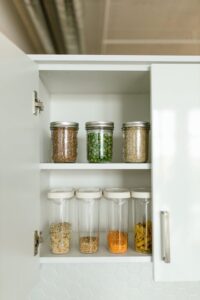
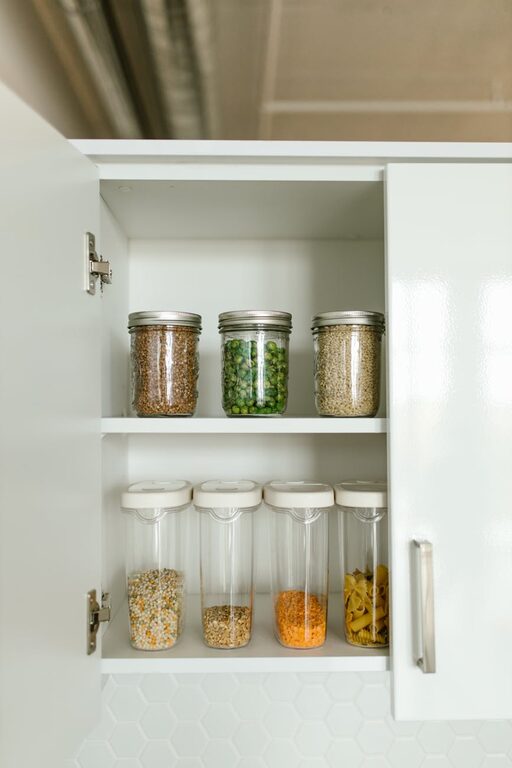
Transfer loose items like flour, rice, and cereal into clear, airtight containers. This keeps pests away and keeps food fresh. Containers also stack nicely, saving space.
4. Label Everything
Labels make it easy for you and guests to find what you need. Consider using a label maker or write directly on containers with chalk markers.
5. Create Zones or “Stations”
Designate areas for specific uses such as breakfast, baking, snacks, or quick meals. This helps speed up food preparation.
6. Store Items by Frequency of Use
Keep everyday items at eye level, and less frequently used items higher up or on lower shelves.
7. Use Door and Wall Space
If your pantry has a door, consider adding racks to store spices or small packets. Hooks or magnetic strips on walls can also help hold kitchen tools or lightweight items.
Simple Habits to Maintain Your Fridge and Pantry
– Weekly Check: Set aside a few minutes each week to toss expired food and wipe shelves.
– First In, First Out: When restocking, place new items behind the older ones to use older food first.
– Meal Planning: Plan meals based on what you have. This helps reduce unnecessary shopping and waste.
– Clean Spills Immediately: Wiping spills as soon as they happen prevents sticky messes and odors.
Bonus Tips for Smaller Spaces
If you have limited space, try these:
– Use vertical storage like stackable bins or shelf risers.
– Utilize under-shelf baskets to add extra layers.
– Choose slim, versatile containers.
– Declutter regularly to keep only what you really use.
Final Thoughts
A tidy fridge and pantry can make a noticeable difference in your kitchen experience. It helps you save time, money, and reduce food waste, all while creating a more pleasant cooking environment. Start small, develop good habits, and your organized kitchen will soon become second nature.
Happy organizing!