
How to Plan Balanced Meals Without Stress: A Simple Guide
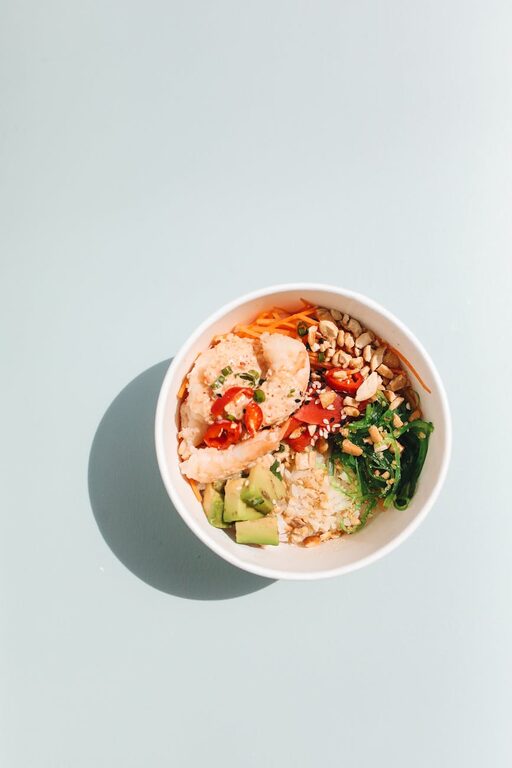
Planning balanced meals doesn’t have to be complicated or stressful. With a few simple strategies, you can create tasty, nourishing meals that keep you energized and satisfied throughout the day. Whether you’re new to meal planning or looking to simplify your routine, this guide offers friendly, practical advice to help you plan balanced meals without the hassle.
Why Plan Balanced Meals?
Balanced meals contain a variety of foods that provide essential nutrients like carbohydrates, proteins, healthy fats, vitamins, and minerals. Eating balanced meals supports overall health, boosts energy, and improves mood. Planning these meals ahead of time helps you avoid last-minute unhealthy choices and reduces mealtime stress.
Step 1: Understand the Basics of a Balanced Meal
To plan balanced meals, it’s helpful to understand what to include:
– Protein: Supports muscle repair and keeps you full. Examples: chicken, fish, beans, tofu, eggs.
– Carbohydrates: The body’s main energy source. Choose whole grains, fruits, and vegetables.
– Healthy Fats: Important for brain health and hormone production. Sources include olive oil, nuts, seeds, and avocados.
– Vegetables: Provide fiber, vitamins, and antioxidants.
– Fruits: Add natural sweetness and nutrients.
– Hydration: Water or herbal teas support digestion and hydration.
Step 2: Keep It Simple with a Template
Create a flexible meal template to reduce decision fatigue. For example, a balanced plate could be:
– ½ plate vegetables
– ¼ plate protein
– ¼ plate whole grains or starchy vegetables
– A small serving of healthy fats
Use this template as a guide for breakfast, lunch, and dinner. It helps you visualize portions without needing to count calories or nutrients in detail.
Step 3: Plan Ahead with a Weekly Menu
Take 10-15 minutes once or twice a week to outline your meals. Here’s how:
- **Check your schedule:** Note days with less time to cook.
- **Choose versatile ingredients:** Pick items that can be used in multiple meals (e.g., grilled chicken can be lunch salad today and stir-fry dinner tomorrow).
- **Include leftovers:** Plan some meals specifically for leftovers to save time.
- **Balance convenience and freshness:** Combine pre-cut veggies or frozen produce with fresh foods to save prep time.
Step 4: Make a Shopping List Based on Your Plan
After creating your menu, write a shopping list organized by sections like produce, proteins, grains, and dairy. This:
– Saves time at the store
– Prevents impulse buys
– Helps you stick to your plan
Step 5: Prep Ingredients in Batches
Batch cooking or prepping ingredients ahead lightens daily cooking tasks. Ideas include:
– Washing and chopping vegetables
– Cooking grains or proteins in bulk
– Portioning snacks like nuts or fruit
Store prepared items in clear containers for quick access during the week.
Step 6: Mix and Match Meals
Avoid boredom by mixing and matching ingredients. For example:
– Use grilled chicken for a salad, wrap, or pasta dish.
– Pair quinoa with roasted veggies one night and add beans for a chili the next.
– Top oatmeal with different fruits and nuts each morning.
This variety keeps meals interesting without needing new recipes every day.
Step 7: Use Easy, Healthy Recipes
Keep a few simple, healthy recipes on hand. Look for meals that require minimal ingredients or one-pot cooking. This makes eating balanced meals feel achievable, even on busy days.
Step 8: Be Flexible and Forgiving
Remember, meal planning is a helpful tool, not a strict rulebook. Adjust plans as needed and don’t stress if a meal doesn’t go as expected. The goal is overall balance across the week, not perfection at every meal.
Bonus Tips for Stress-Free Meal Planning
– Set realistic goals: Start by planning just dinner or two meals per day.
– Use technology: Apps and websites can help you organize recipes and plans.
– Involve family or housemates: Share the planning or cooking duties for extra support.
– Focus on nutrient-dense foods: Not every meal has to be elaborate, but aim for variety and color on your plate.
– Stay hydrated: Drinking enough water influences hunger cues and digestion.
Conclusion
Planning balanced meals without stress is possible with simple strategies and a flexible mindset. By understanding nutritional basics, creating a loose menu plan, prepping ingredients ahead, and embracing variety, you’ll enjoy nourishing meals that fit your lifestyle. Give these tips a try and find the rhythm that works best for you!
Happy meal planning!