
Tips for Choosing Comfortable Home Lighting
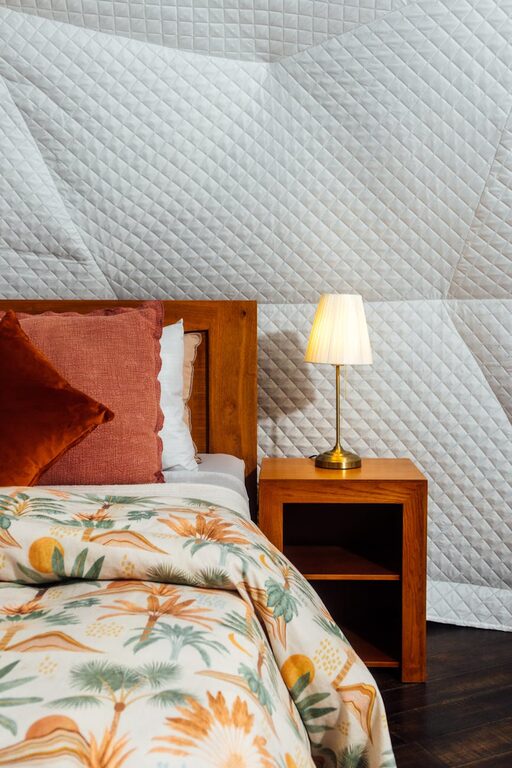
Creating a comfortable living space starts with the right lighting. The way a room is lit can affect its atmosphere, your mood, and even your productivity. Choosing lighting that feels cozy and welcoming doesn’t have to be complicated. With a bit of guidance, you can find lamps, bulbs, and fixtures that create a pleasant ambiance in every room of your home.
In this post, we’ll explore useful tips to help you select comfortable home lighting. From understanding light temperature to layering light sources, these ideas will help you make informed decisions for a warm and inviting environment.
Why Comfortable Lighting Matters
Lighting influences how we perceive a space. Harsh, overly bright lights can cause eye strain, headaches, and make a room feel cold or uninviting. Soft, well-placed lighting creates a relaxing atmosphere that encourages you to unwind and feel at home.
Comfortable lighting provides:
– Better visibility without glare or harsh shadows
– An improved mood and sense of calm
– Highlighted home features and decor
– Flexibility suitable for different activities
Understand Light Temperature and Brightness
What is Light Temperature?
Light temperature is measured in Kelvins (K) and describes the color appearance of the light. It ranges from warm (yellowish) to cool (bluish) tones.
– Warm light (2700K–3000K): Soft and cozy, similar to traditional incandescent bulbs. Ideal for bedrooms, living rooms, and dining areas.
– Neutral light (3500K–4100K): Balanced and bright without being harsh. Works well in kitchens, bathrooms, and home offices.
– Cool light (5000K+): Crisp, daylight-like illumination better suited for task-oriented spaces, like garages or work studios.
Choose the Right Brightness
Brightness is measured in lumens and indicates how much light a bulb emits.
– For general room lighting, between 1,500 and 3,000 lumens is common depending on the room size.
– For reading or task lighting, choose focused sources with about 450 to 800 lumens.
– Avoid bulbs that shine too brightly or too dimly to prevent discomfort.
Layer Your Lighting
Avoid relying on a single light source in a room. Instead, use multiple layers to create depth and flexibility.
Types of Lighting Layers
- **Ambient Lighting:** The main source that provides overall light (e.g., ceiling fixtures, recessed lights).
- **Task Lighting:** Focused light for specific activities like reading or cooking (e.g., desk lamps, under-cabinet lights).
- **Accent Lighting:** Highlights decor, artwork, or architectural details (e.g., wall sconces, spotlights).
- **Decorative Lighting:** Adds style and personality, enhancing the room’s vibe (e.g., string lights, chandeliers).
Using these layers allows you to adjust lighting depending on time of day, mood, or activity.
Choose the Right Fixtures
The design and placement of light fixtures impact comfort and aesthetics.
– Ceiling Fixtures: Select those that distribute light evenly to avoid glare.
– Table and Floor Lamps: Perfect for adding warmth and flexibility. Choose lamps with adjustable brightness or shades that soften light.
– Wall Sconces: Ideal for ambient or accent lighting, especially in small spaces or to free up floor area.
– Dimmers: Installing dimmer switches lets you control intensity, which can drastically improve comfort.
Consider Natural Light
Maximize natural lighting during the day to reduce dependency on artificial sources.
– Use light, sheer curtains instead of heavy drapes to let daylight filter in.
– Position seating or workspaces near windows to benefit from natural brightness.
– Reflect natural light with strategically placed mirrors or light wall colors.
Balancing artificial light with natural daylight helps maintain a comfortable and healthy home environment.
Use Quality Bulbs
The type of bulb affects not only light quality but also energy use and longevity.
– LED bulbs: Energy-efficient, long-lasting, and available in a range of color temperatures.
– CFL bulbs: More efficient than traditional bulbs but take time to reach full brightness.
– Incandescent bulbs: Offer warm light but consume more energy and have shorter lifespans.
Prioritize bulbs with a high Color Rendering Index (CRI) of 80 or above to display colors naturally and reduce eye strain.
Position Lights Thoughtfully
Where you place your lights matters as much as the type.
– Avoid lights that shine directly into your eyes or create harsh shadows.
– Position reading lamps to illuminate your book without glare.
– Use accent lights to avoid dark corners that can make rooms feel smaller and less inviting.
Plan your lighting layout before installation for the most comfortable outcome.
Final Thoughts
Comfortable home lighting is about more than brightness. It’s about creating a warm, inviting atmosphere that adapts to your lifestyle. Consider light temperature, layering, fixture style, and thoughtful placement to design spaces where you love to spend time.
Investing a little effort in choosing the right lighting will pay off with a cozy home that feels welcoming day and night. Happy lighting!